
ไม่มีหมวดหมู่
Tips for Starting a Carpenter Workshop
ธ.ค.
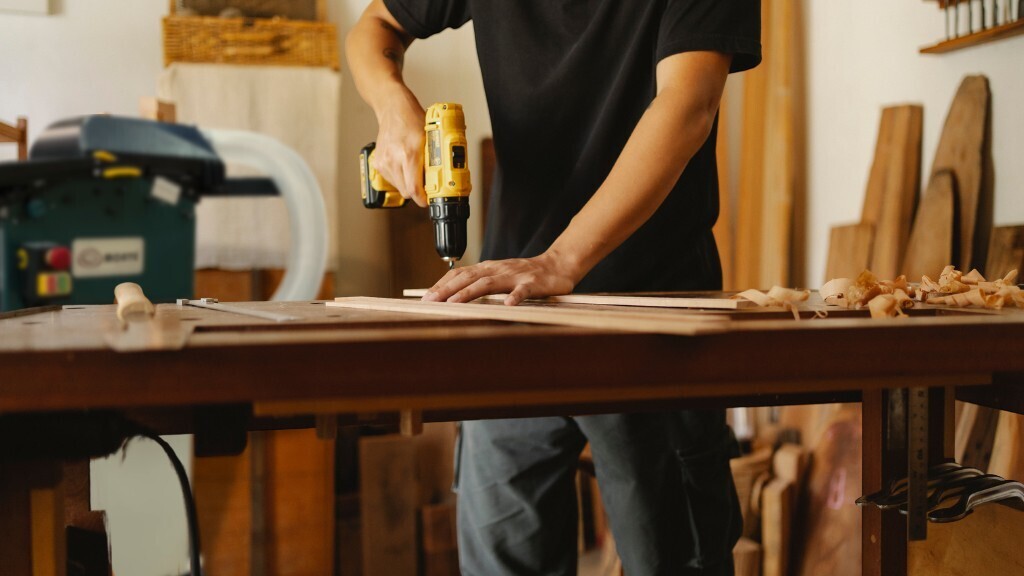
Opening a small carpenter workshop is not just a dream for many woodworkers, but also an opportunity to build a business and find joy in working with what you love. Starting a successful woodworking business is not only about craftsmanship, but also about choosing the right tools to help make the work easier, faster, and produce high-quality results.
Let’s see what professional woodworkers recommend for starting a Carpenter Workshop.
- Plan your space to suit the tools and work being done
Your workshop space doesn’t need to be huge, but it must be organized to fit the type of work and tools you will use. For example:
- Wood cutting area: A saw table or circular saw should be placed in an open space that can accommodate cutting large pieces of wood.
- Sanding area: It’s essential to have good ventilation to prevent dust build-up.
- Dust extraction pipes: If your workshop is closed, plan for dust extraction pipes to reduce wood dust during work.
Tool example for cutting area: The TS312 Circular Saw Table (3HP/12″) is a basic tool that helps you quickly and accurately cut large pieces of wood.
- Know the types of wood and choose the right one
There are different types of wood used in carpentry, such as:
- Hardwood: Suitable for furniture and structures that need durability, such as teak or oak.
- Softwood: Lighter, easier to cut, such as pine.
Choosing the right wood for the job reduces costs and improves the quality of the work. Additionally, having tools that support various tasks, like cutting curves or intricate patterns, makes the woodwork look even more special.
Tool example for design work: The 16-inch jigsaw is perfect for detailed woodwork that requires precision and delicacy.
- Techniques for sanding wood to a smooth finish
Sanding is a crucial step that should not be overlooked, as a smooth surface enhances the professional look of your woodwork.
- Use a belt sander for sanding large pieces of wood.
- Use hand sandpaper for detailing edges.
Tool example for sanding work: A belt sander helps achieve a uniform smooth finish on wood surfaces.
- Use tools efficiently and choose those that are easy to maintain
Some tools have multiple functions, like a sander with interchangeable heads or a saw with adjustable angles. Choose tools that are versatile, so you can save both space and budget.
Additional tips:
- Regularly clean your tools, such as wiping off oil stains or dust after use.
- Replace parts or accessories as soon as they begin to wear out.
- Invest in durable tools to build customer confidence
In the woodworking business, every piece of work represents your workshop’s image. Using high-quality tools reduces mistakes and speeds up work, creating credibility and showing customers the standard of your craftsmanship.