
บทความ
Tools that the purchasing department should be familiar with: How to choose the right ones to keep the work flowing smoothly and the project on track.
ธ.ค.
In every construction project, whether it’s a commercial building, factory, or large-scale national project, tools are essential for ensuring the work is completed quickly and up to standard. A purchasing department that understands how to choose the right tools can save time, reduce costs, and improve efficiency for the team on-site.
This article will help you understand popular tools that the purchasing department should be familiar with, along with the best methods for selecting the right tools for construction projects.
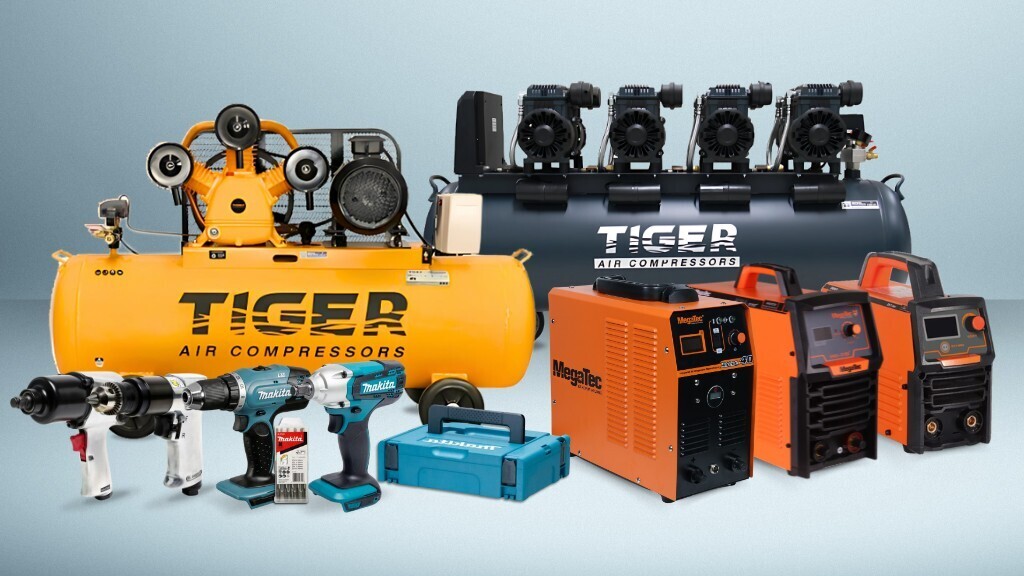
Popular Tools for Construction Work
1. Welding Machine:
Welding machines are indispensable in steel structural work. They are used to join metal parts securely and durably.
Types: MMA, TIG, MIG/MAG
Selection: Consider power capacity, material thickness, and usage duration.
2. Metal Cutting Machine:
Ideal for cutting steel and other metal materials to the desired size.
Types: Electric metal cutters, Plasma cutters
Selection: Choose machines that can handle material thickness effectively and offer high precision.
3. Electric Drill:
Used for drilling holes in materials ranging from concrete, steel, to wood.
Types: Hammer drill, Cordless drill
Selection: Choose based on usage frequency—use an electric drill for heavy tasks and a cordless drill for lighter, more convenient work.
4. Pneumatic Tools:
These include tools like nail guns, pneumatic wrenches, and air polishers, perfect for tasks requiring speed and power.
Selection: Choose durable tools that are compatible with the power source on-site.
5. Air Compressor:
Provides power to pneumatic tools.
Selection: The size and pressure should be adequate to support the number of tools in use.
How to Choose Tools for Large Projects
1.Assess the Project Needs:
Start by analyzing what tools are required for the project. For example, welding machines are needed for steel structural work, electric drills for installations, or pneumatic polishers for finishing details.
2.Choose Reliable Brands:
For heavy-duty tasks or long-term use, opt for reputable brands like Makita, Bosch, or Puma. This ensures quality and reduces long-term maintenance issues.
3.Compare Prices and Services:
Don’t just focus on the product price. Consider after-sales services such as warranties, repairs, and delivery options.
4.Choose a One-stop Supplier:
Buying from a single supplier reduces hassle and ensures that all tools are compatible. For example, purchasing pneumatic tools and air compressors from the same supplier ensures proper integration.